Discovering Thin-Wall Casting: A Breakthrough Strategy in Aluminum Foundries
Thin-wall casting has become a significant development in aluminum shops. This method permits the production of light-weight components with marginal wall density, enhancing material performance and decreasing waste. Its applications cover various markets, specifically automotive and aerospace. The change to thin-wall casting positions special obstacles and requires careful consideration. Comprehending these dynamics may expose important insights right into the future of aluminum production and its wider effects.
Understanding Thin-Wall Casting Techniques
Thin-wall casting techniques transform the manufacturing of complex and lightweight aluminum components. This method concentrates on creating get rid of wall thicknesses as low as a few millimeters, considerably lowering product use while keeping architectural honesty. The procedure commonly includes sophisticated mold and mildew styles and precise control of metal circulation, enabling detailed geometries that traditional casting techniques can not accomplish.
Utilizing methods such as investment casting and die casting, manufacturers can produce top quality components with marginal problems and smooth finishes. Using computer-aided layout (CAD) and simulation devices even more improves the precision of the casting process, guaranteeing perfect performance in the last product - Metal Casting. Furthermore, the rapid air conditioning systems fundamental in thin-wall casting contribute to fine microstructures, which boost the mechanical residential or commercial properties of the aluminum. As a result, sectors ranging from automotive to aerospace significantly embrace thin-wall casting to meet the need for ingenious and efficient element production
Benefits of Thin-Wall Casting in Manufacturing
Thin-wall casting provides significant benefits in manufacturing by boosting material performance and making it possible for item weight reduction. By using less product while maintaining structural honesty, producers can attain expense financial savings and improved performance. This technique not only enhances production procedures but additionally adds to extra sustainable production techniques.
Enhanced Product Efficiency
The search of enhanced material effectiveness in manufacturing has resulted in the fostering of innovative casting methods, specifically in aluminum factories. Thin-wall casting exemplifies this improvement, enabling a considerable decrease in the quantity of steel required for production without jeopardizing architectural honesty. This technique decreases waste by using much less aluminum, which not just preserves resources but likewise decreases costs connected with products and power usage during the casting process. In enhancement, the specific control over the density of the wall surfaces allows manufacturers to optimize designs for particular applications, causing better production rates and decreased cycle times. Eventually, thin-wall casting stands as a sustainable option, advertising far better source monitoring and adding to a more environmentally responsible manufacturing landscape.
Enhanced Product Weight Reduction
While traditional casting methods frequently lead to heavier elements, the adoption of thin-wall casting methods significantly enhances product weight reduction in production. This cutting-edge strategy enables the manufacturing of lighter aluminum elements without jeopardizing structural integrity. By utilizing thinner wall surfaces, makers can accomplish substantial decreases in material usage, causing reduced general weight. Minimized weight contributes to improved efficiency in numerous applications, especially in the aerospace and automotive industries, where every gram conserved improves fuel performance and general efficiency. In addition, lighter items typically result in set you back financial savings in delivery and handling. As industries increasingly focus on sustainability, the ability to generate lighter elements through thin-wall casting straightens with efforts to reduce ecological effect while keeping high-quality requirements in manufacturing.
Applications of Thin-Wall Casting Throughout Industries
Thin-wall casting has discovered considerable applications throughout various sectors, particularly in vehicle, aerospace, and customer electronic devices. In the auto sector, developments concentrate on lightweight parts that boost fuel effectiveness. Similarly, aerospace makers utilize thin-wall casting for accuracy parts that meet rigid performance requirements, while customer electronics gain from lowered weight and increased style adaptability.
Automotive Sector Innovations
Developments in the automotive market have embraced thin-wall casting techniques to improve efficiency and minimize weight in lorry components. This method enables suppliers to generate complex shapes with thinner wall surfaces, leading to a considerable reduction in the general weight of components such as engine blocks and transmission real estates. The outcome is improved fuel efficiency and decreased discharges, lining up with modern-day ecological criteria. In addition, the accuracy used by thin-wall casting makes it possible for tighter resistances, enhancing the total top quality and fit of parts. As auto layouts proceed to evolve in the direction of reliable and light-weight services, thin-wall casting is coming to be increasingly crucial, supplying producers with the ability to meet both efficiency objectives and regulative demands efficiently. This method is reshaping how lorries are generated for a sustainable future.
Aerospace Component Manufacturing
A growing number of aerospace producers are adopting thin-wall casting strategies to create high-performance elements with lowered weight and boosted structural integrity. This cutting-edge technique enables the creation of intricate geometries that are necessary for enhancing wind resistant effectiveness. With the aerospace industry's raising focus on fuel performance and sustainability, thin-wall casting provides a strategic benefit by reducing material use while maintaining stamina. Importantly, parts such as brackets, real estates, and engine parts take advantage of this technique, as it permits for tighter tolerances and enhanced surface coatings. Furthermore, the minimized weight of these components adds to total aircraft performance, causing reduced operational expenses. As the need for sophisticated aerospace options continues to grow, thin-wall casting is poised to play a considerable role in future production processes.
Customer Electronic Devices Production
In the domain of customer electronics manufacturing, manufacturers are progressively transforming to advanced casting techniques to improve their product styles and capability. Thin-wall casting, particularly, permits the development of light-weight, intricate elements that satisfy the demands of contemporary tools. This technique promotes the manufacturing of high-precision parts with minimized product usage, driving expense effectiveness. In addition, the enhanced mechanical residential or commercial properties of thin-walled aluminum components add to far better thermal monitoring and longevity in electronic gadgets. Business utilize thin-wall casting to create real estates, structures, and internal frameworks, enabling sleeker layouts without endangering efficiency. As consumer expectations progress, the adoption of thin-wall casting is anticipated to continue growing, positioning suppliers at the leading edge of development in the competitive electronics market.
Contrast of Thin-Wall Casting and Standard Casting Techniques
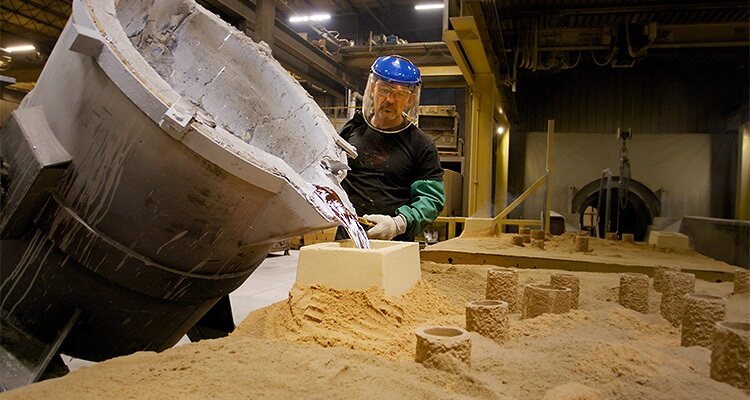
Furthermore, thin-wall casting permits faster cooling rates, which can enhance the general surface area finish and dimensional accuracy of the castings. Standard approaches, on the other hand, may need added machining procedures to achieve desired tolerances. Eventually, the selection in between these methods copyrights on the particular application needs, with thin-wall casting arising as an exceptional choice for light-weight, high-performance elements in different markets.
Obstacles and Considerations in Thin-Wall Casting
Thin-wall casting presents a distinct set of difficulties and considerations that should be addressed to enhance manufacturing and guarantee quality. Aluminum Foundry. One main obstacle is ensuring adequate steel circulation throughout the casting process, as thinner walls can cause early solidification and incomplete filling of molds. In addition, keeping dimensional precision is essential, as also small variants can impact the functionality of the end product
Thermal management is an additional substantial factor to consider; fast cooling can introduce tensions that compromise architectural stability. Foundries must additionally browse the boosted risk of defects, such as porosity and surface area flaws, which are more obvious in thin-walled designs.
The choice of suitable alloys and maximized gating systems is vital to improve yield rates and lower waste. These considerations call for a combination of competent labor, exact engineering, and rigorous high quality control measures to effectively implement thin-wall casting in aluminum factories.
The Role of Technology ahead of time Thin-Wall Casting
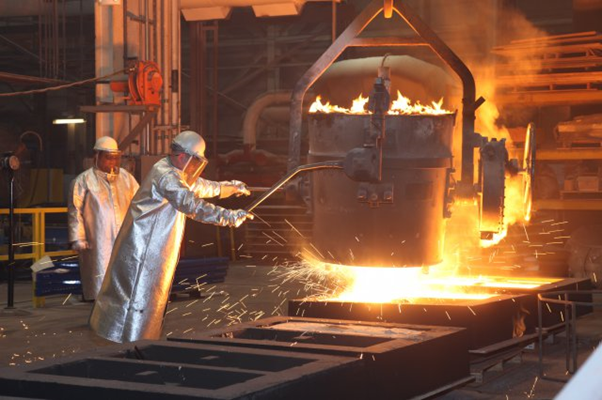
As advancements in innovation remain to reshape the shop industry, cutting-edge techniques are arising to enhance thin-wall casting processes. The assimilation of computer-aided design (CAD) software program permits exact modeling of complex geometries, allowing suppliers to optimize mold layouts that reduce product use while maintaining structural stability. On top of that, the implementation of sophisticated simulation devices aids in predicting prospective issues and maximizing cooling rates, making certain uniform thickness and decreasing the chance of bending.
Future Trends in Aluminum Production and Thin-Wall Casting
Arising trends in aluminum manufacturing and thin-wall casting are positioned to markedly improve the market landscape. As producers increasingly focus on sustainability, advancements in recycling procedures and minimized energy intake are ending up being vital. Advanced materials and strategies are facilitating the manufacturing of lighter, stronger aluminum parts, Visit This Link providing to sectors like auto and aerospace that require effectiveness and efficiency.
The combination of electronic innovations, including man-made intelligence and artificial intelligence, is streamlining procedures, enhancing high quality control, my blog and reducing waste. In addition, additive manufacturing is obtaining traction, permitting for rapid prototyping and modification in thin-wall casting applications.
Collaboration between academia and market is cultivating research right into brand-new alloys and casting methods, making certain continuous enhancement. As these trends assemble, they assure to elevate the abilities of aluminum shops, placing them for a competitive future, while also addressing the environmental obstacles associated with conventional manufacturing methods.
Frequently Asked Inquiries
What Materials Are Frequently Used in Thin-Wall Casting?
Usual materials utilized in thin-wall casting consist of aluminum alloys, specifically those with high fluidity, such as A356 and A380. These alloys enable the production of light-weight, sturdy components with exceptional mechanical residential or commercial properties and surface coatings.
Just How Does Thin-Wall Casting Impact the Environmental Footprint?
Thin-wall casting lowers the ecological impact by minimizing material waste, lowering power intake throughout manufacturing, and making it possible for lighter components that enhance fuel efficiency in transport. This method promotes sustainability in manufacturing procedures and source preservation.
What Is the Price Comparison Between Thin-Wall and Conventional Casting?
Thin-wall casting normally incurs reduced manufacturing costs compared to standard casting because of lowered material use and much shorter cycle times. First arrangement and modern technology financial investments can be greater, affecting total cost-effectiveness in certain applications.
The length of time Does the Thin-Wall Casting Refine Commonly Take?
The thin-wall casting procedure commonly takes less time than traditional techniques, typically requiring several hours to a few days, relying on the complexity and dimension of the parts, as well as the certain factory conditions.
Exist Particular Certifications Needed for Thin-Wall Casting?
Yes, certain accreditations are frequently needed for thin-wall casting, including quality monitoring standards like ISO 9001 and industry-specific certifications - Metal Casting. These guarantee conformity with safety, efficiency, and environmental guidelines try this web-site in aluminum foundries
Utilizing techniques such as financial investment casting and die casting, manufacturers can create top quality parts with very little flaws and smooth coatings. While traditional casting approaches typically lead to heavier components, the adoption of thin-wall casting strategies substantially boosts product weight reduction in manufacturing. While traditional casting methods have actually offered the sector for years, the introduction of thin-wall casting has introduced significant benefits that call for contrast. Thin-wall casting allows for faster air conditioning rates, which can improve the overall surface finish and dimensional precision of the castings. Thin-wall casting typically incurs lower production prices compared to typical casting due to reduced material use and shorter cycle times.
Comments on “Why Aluminum Foundry Casting Supports Faster Design-to-Market Timelines”